Wittenberg Magazine | Winter 2020 | Features

Revelation & Responsibility

Justin and Janet Henry
Debbie Ritter
March 10, 2021

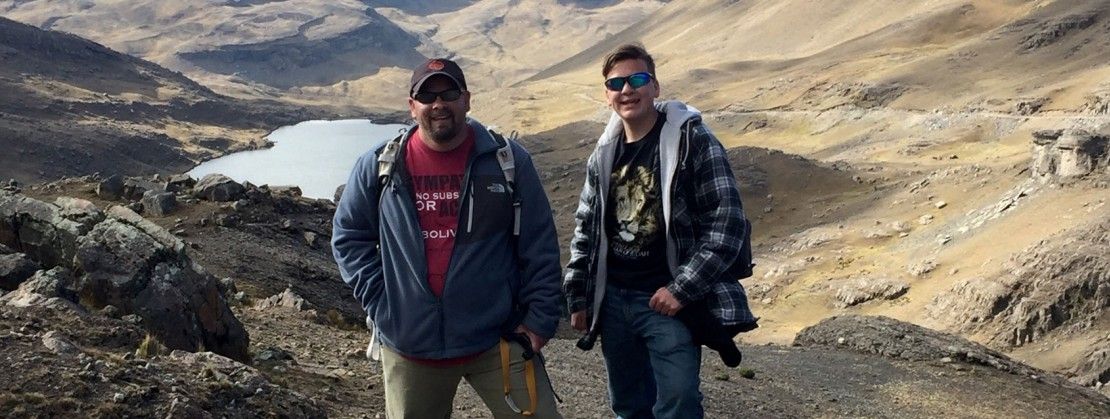
Justin Henry ’98 and Janet Thomas Henry ’98 run a children’s home in Bolivia.

Justin and Janet Thomas Henry have two homes, but it’s not what you might think. For the past several years, the Henrys have split their time between Mount Juliet, Tennessee, and Cochabamba, Bolivia. Cochabamba is no tourist destination. Located in the Andes Mountains, the city is home to about 700,000 people, and every day three children under the age of 6 are abandoned on the streets.

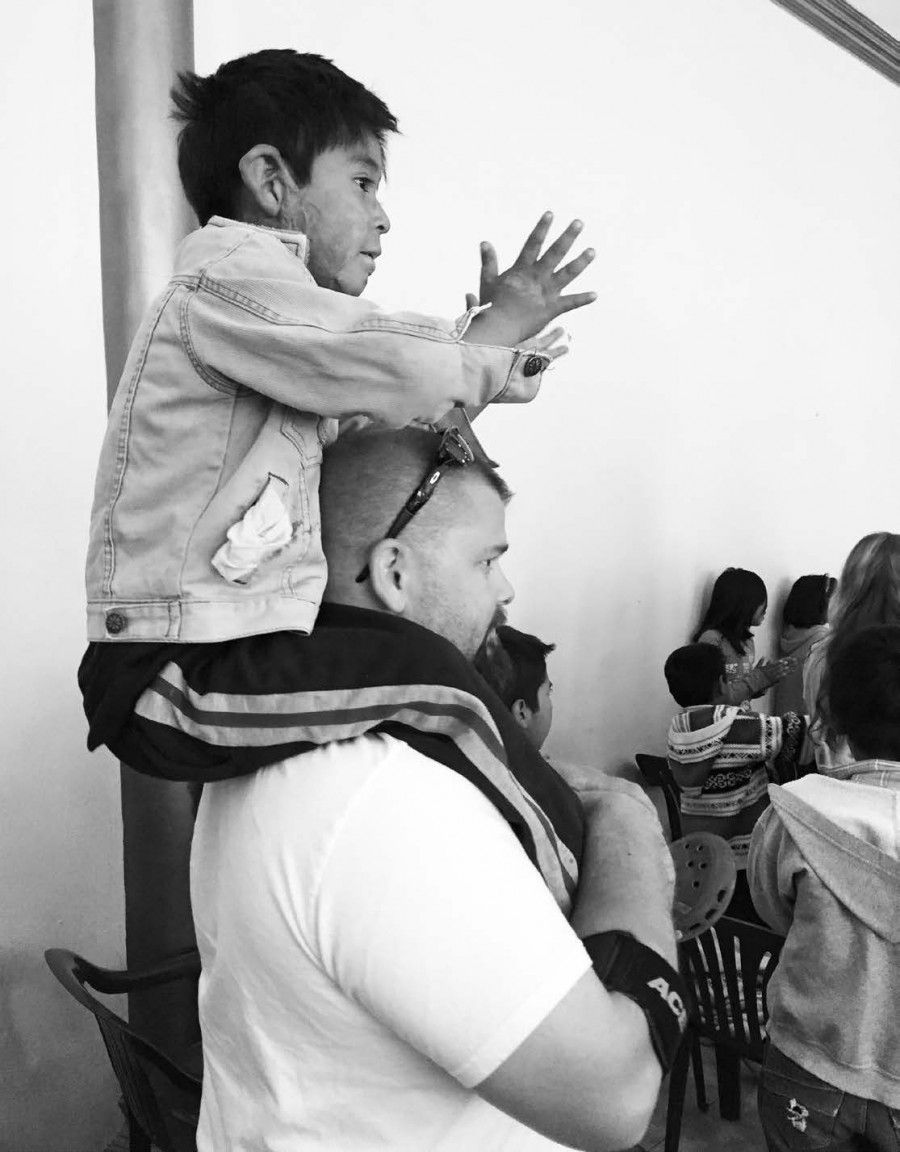
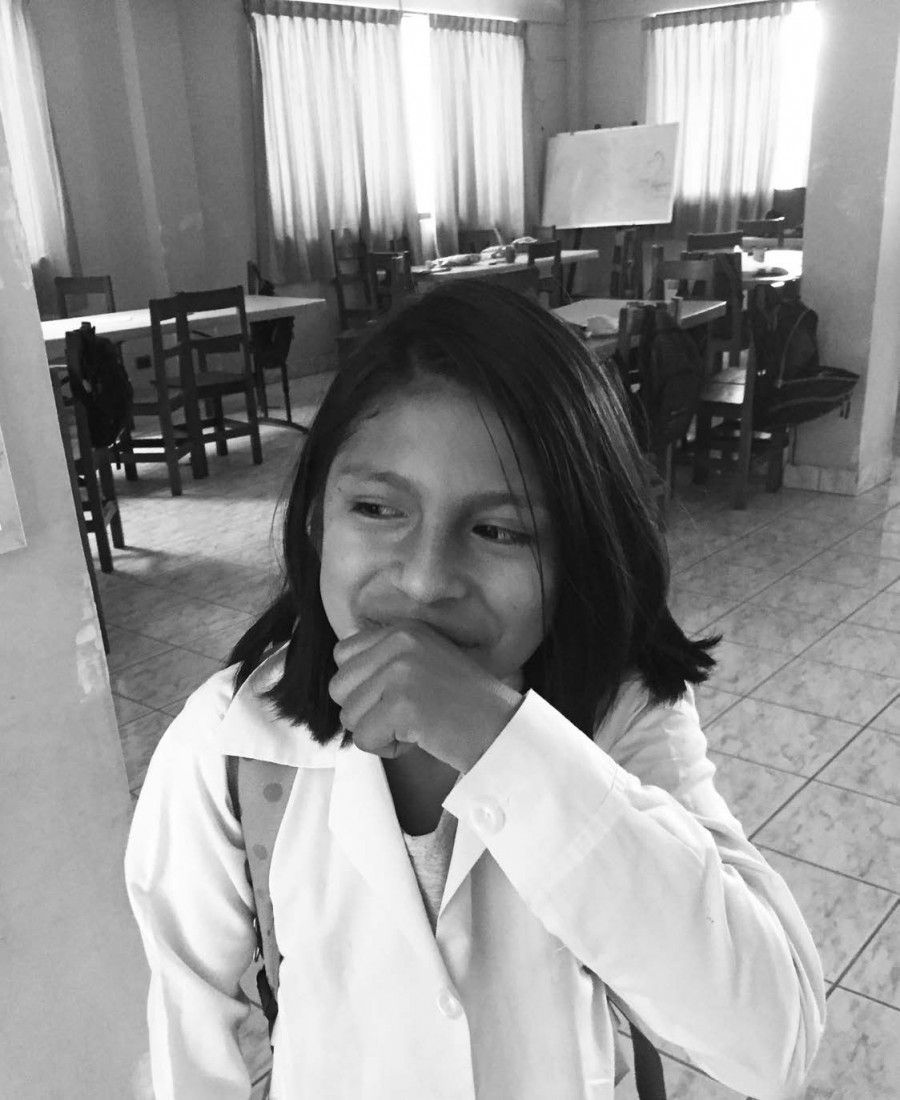
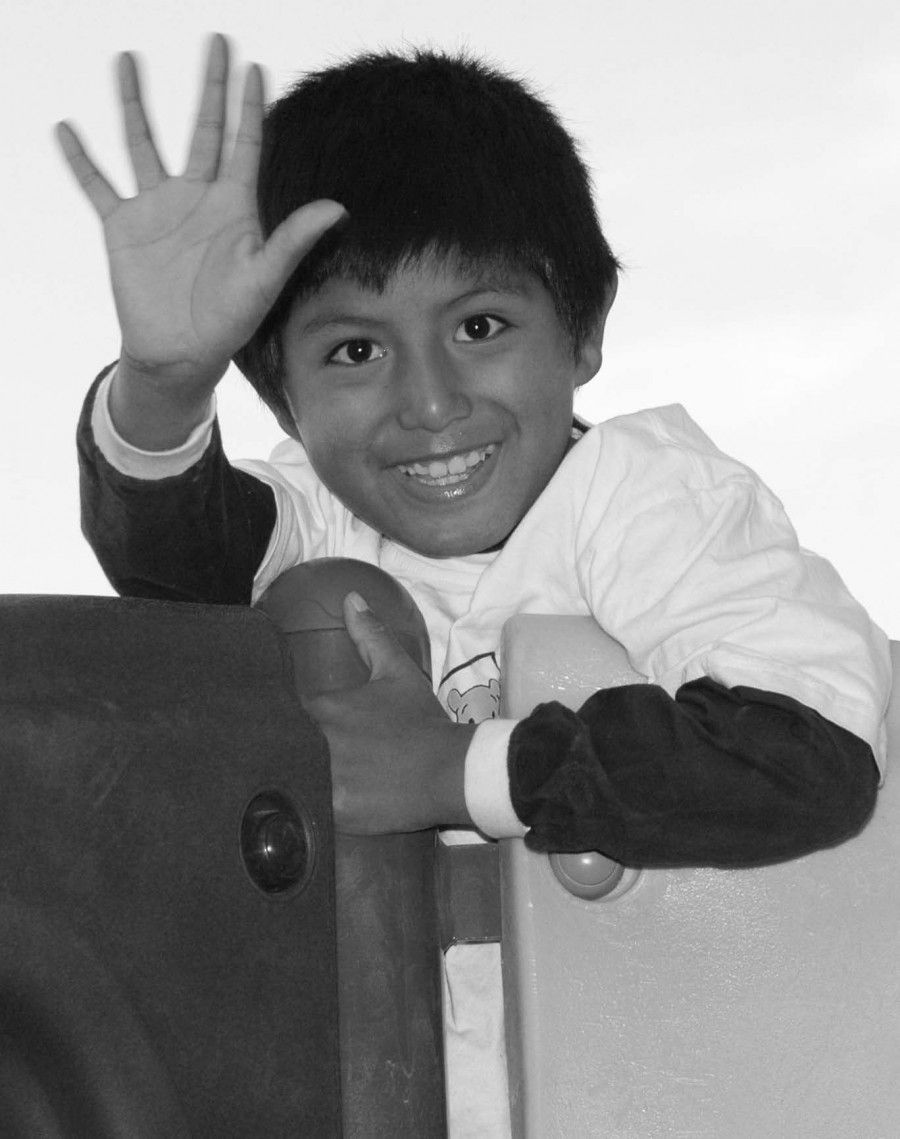
In 2007, Justin went to Bolivia for the first time on a 10-day trip to construct a playground for the Bolivian Hope Center, a home for children whose mothers are in jail. When women go to prison in Bolivia, their children go with them. As if that is not bad enough, prisoners don’t get a cell phone, or blankets, or even food in a Bolivian prison, unless they pay for it. So, the prisons are full of children who often go to sleep on cold, hard concrete floors with empty bellies because there is no place for them to live. And just when it seems the situation can’t get any worse, some children are randomly removed from the prison due to overcrowding and kicked out onto the streets to fend for themselves.

Justin witnessed this firsthand in 2007 and could not forget what he saw. A police officer at the time, he was no stranger to witnessing dark and dire situations, but there was something different about those kids; they had no hope without the Hope Center he helped create. At the time, the Hope Center was under construction but not yet completed. As funds came in, more building would take place.

Over the next several years, Justin took more than 20 trips to Cochabamba to work on the Hope Center. Construction was finally completed, and the doors were opened to receive children in 2009. The next year, he convinced Janet to come down to experience Christmas with the kids in the Hope Center. For most of them, it was the first time they had ever celebrated Christmas, not because they didn’t know what it was, but because their families never had money to buy presents. It was a most humbling experience that forever changed the Henrys.
There is a pastor of a large hispanic church in Chicago, pastor Choco De Jesus, whom I heard speak once. He said that ‘with revelation comes responsibility.’ Once we see something that we should act on, it is our responsibility to do so. I left Wittenberg with a lot more light than when I entered. It’s now my responsibility to share that light with others. I would love nothing more than for every graduate to do the same.”

“It’s been a long time since I’ve graduated from Witt, but I’ll never forget what it says on the Seal, ‘Having Light We Pass It On To Others.’ At first I thought it was a bit arrogant; now I see it as a daily charge,” Justin Henry said.

“There are many around the world who simply lack what we would consider basic knowledge—hygiene, nutrition, etc.

There is a pastor of a large Hispanic church in Chicago, Pastor Choco de Jesus, whom I heard speak once. He said that ‘With revelation comes responsibility.’ Once we see something that we should act on, it is our responsibility to do so. I left Witt with a lot more light than when I entered. It’s now my responsibility to share that light with others. I would love nothing more than for every graduate to do the same.”

In 2013, circumstances changed, sending the Henrys back to Bolivia. One of the founders of the Hope Center was diagnosed with a debilitating disease and had to seek treatment in the United States. The entire Henry family traveled to Bolivia for three months to work at the Hope Center. Much of Bolivia consists of unreached Indigenous People living in hard to reach, remote areas ranging from steep, treacherous mountains to steamy, humid jungles. Aside from health concerns of things like typhoid fever and malaria, many of these areas lack basic needs of clean water and proper sanitation. So it was during this time that the Henrys knew they had to make sure that their work never ceased.

By the end of 2015, the Henrys left their jobs in the United States to begin working at the Hope Center year-round. The Hope Center can house up to 40 boys and girls, and it’s a rarity when the beds are not full. Still, when new kids arrive for the first time, they are surprised that they don’t have to share a bed with other kids.

The Henrys are excited to be back in the States for a few months to raise awareness about kids who are forced to live in Bolivia’s prisons, as well as to share more about the work being done at the Hope Center, and their other projects, which include a Home of Hope, a House of Life, a First Steps program, along with programs to battle food insecurity in Bolivia. To learn more, visit their website at www.travelingcoch.com.

Wittenberg Magazine | Winter 2020 | Features

Revelation & Responsibility