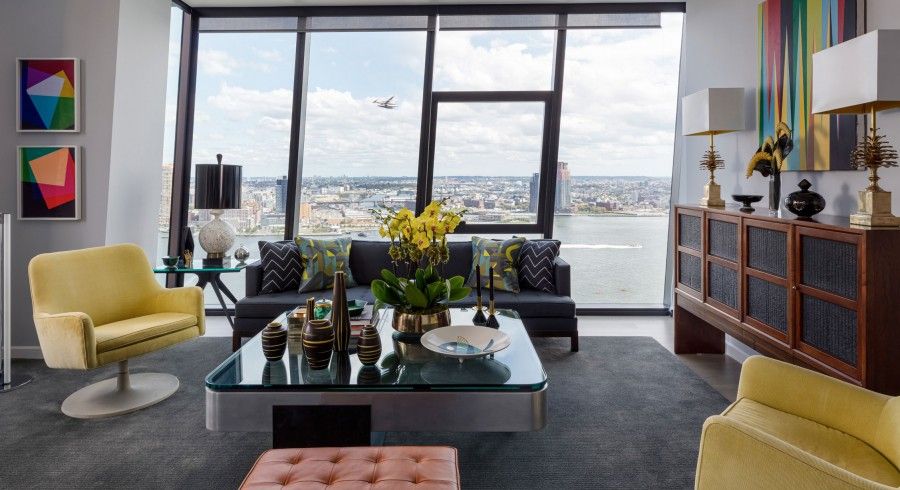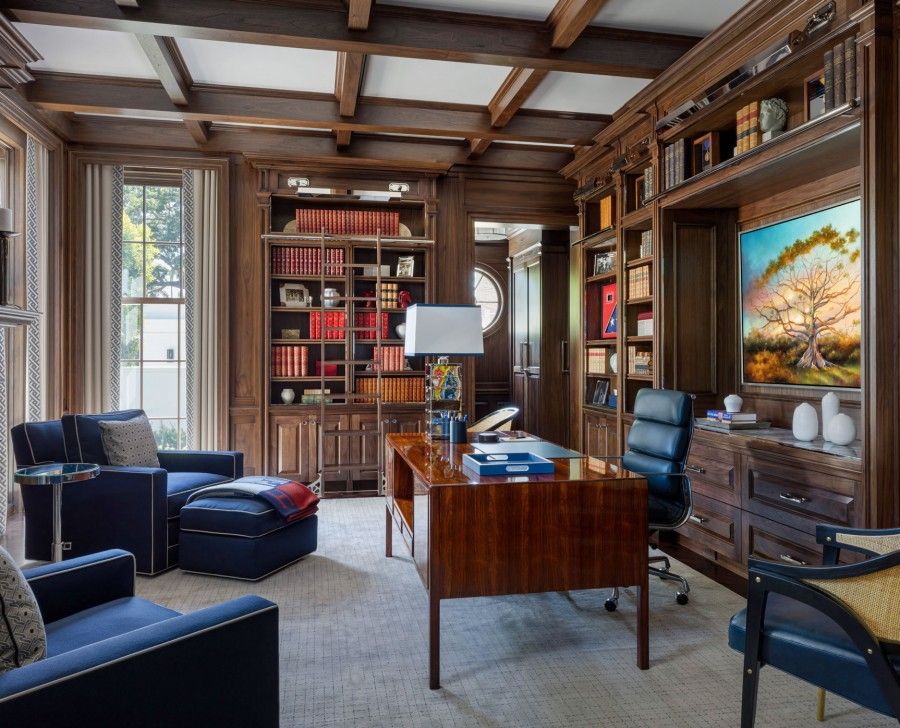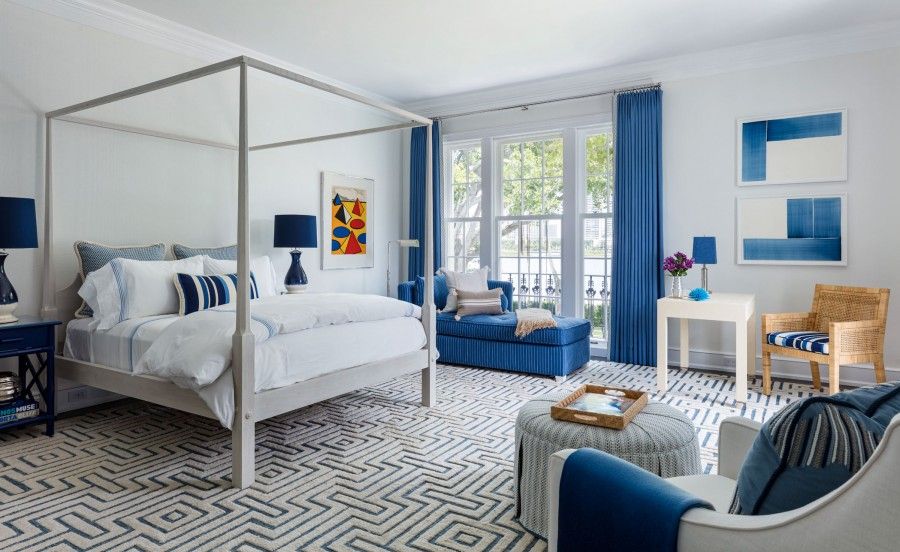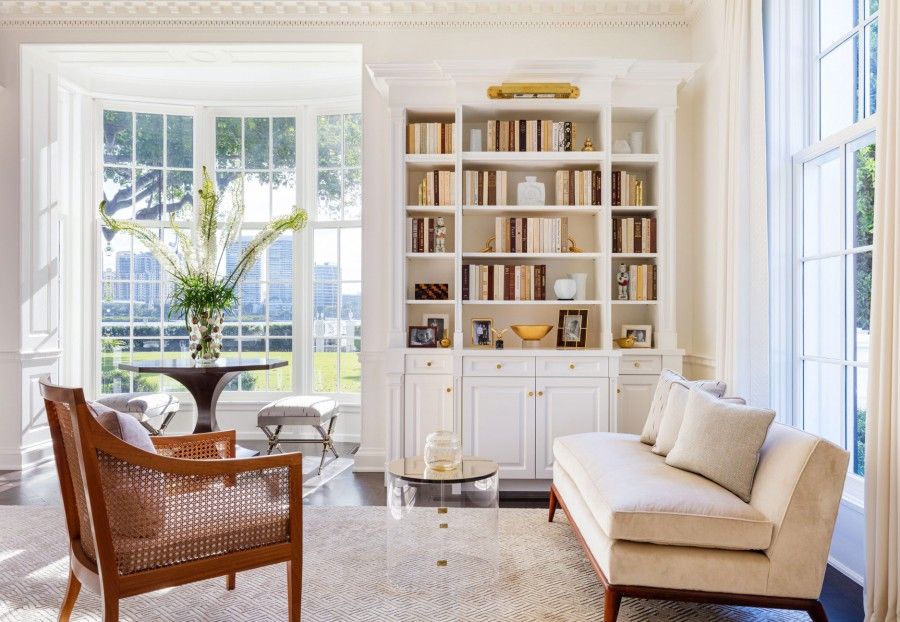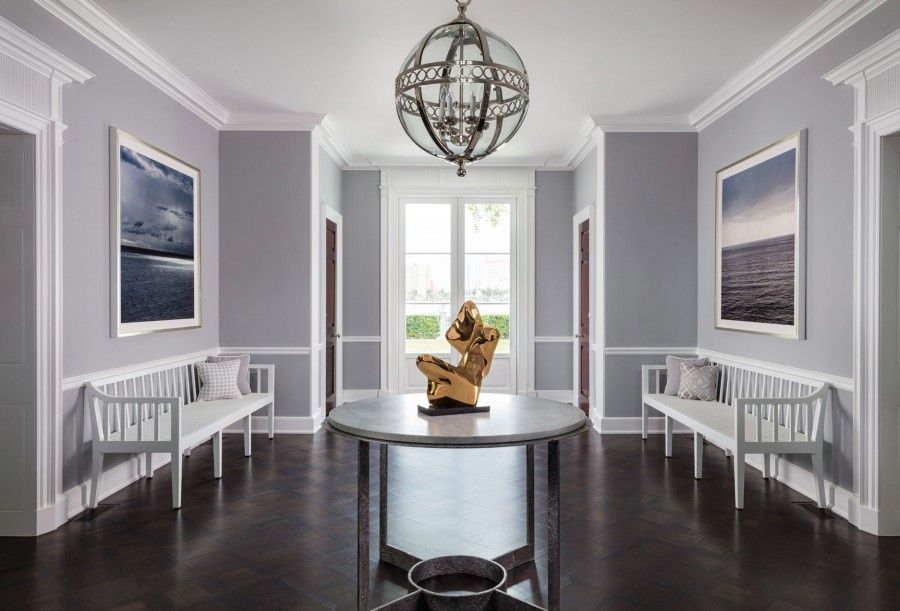

Sanders discussed his time as a Wittenberg English major, becoming Ralph Lauren’s first-ever lead interior designer, and building his own firm around his trademark “New American” style.
Wittenberg Magazine: Your family worked in residential development for a long time. Did that fuel your interest in design?
Scott Sanders: My father and grandfather were always building houses and, from a very early age, I was on site looking at the process. My grandfather was the one who noticed that I had an affinity for how things were put together. He began taking me to the different showrooms to specify the materials for the houses. By the time I was 12 or 14, I was picking out all the finishes for all of their spec houses: interior and exterior, stone, tile, carpeting, wood color, vanity color, the lights—it was pretty funny that there was this little kid picking out everything, but I guess I was quite good at it. And the houses did sell.
WM: At Wittenberg, you ended up being an English literature major. How has that contributed to your career?
SS: Wittenberg allowed me to open up the other side of my brain. We not only read these incredible books, but we would talk about them in class, and so it gave me the opportunity to be able to speak and to listen. With what I do now, I have to listen to my clients; I have to be able to speak with them, to be able to analyze [their different needs].
WM: Then, after becoming Lord & Taylor’s youngest-ever branch store divisional manager in your mid-20s, you joined Ralph Lauren. Is that when interior design came back into the picture?
SS: I was a store manager for five years at Ralph Lauren, and at that point, I decided that I missed interior design, so I applied to Parsons. I was just planning to take a couple of courses, but about halfway through my first course, the professor took me aside and said, “I think you’re overqualified for this course. Have you thought about actually applying to the school for a degree?”
WM: And what happened when you were accepted? SS: Ralph Lauren is an incredible company and they said, we don’t want you to leave. What about if you do something else and you can go to school at the same time? So I transferred from my branch store to the New York Madison Avenue store, and I worked in home collections while I went to Parsons. Very early on, I started acquiring clients that were looking for design services, and it ultimately got to the point where I had a huge design business. And the day that I graduated from Parsons, Ralph Lauren named me their first in-house interior designer.