Wittenberg Magazine | Spring 2021 | Features

From Tofu to Graffiti

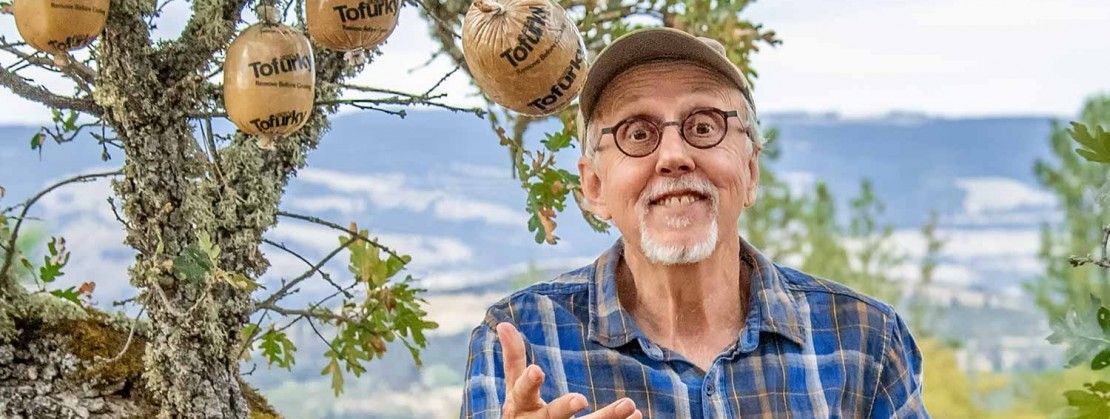
Seth Tibbott feature story image
Edward Weinman
October 1, 2021

It took 40 years for Seth Tibbott ’74 to become an overnight success, he jokes.

Klickitat County, in Washington State, has only one stoplight. For the most part, there isn’t much to do in this sleepy county, located in the Columbia River Gorge.

This nothingness, says Seth Tibbott, turned out to be the key to his “stick-to-itiveness” – or stubbornness, as his wife says – which over the course of 40 years saw him cobble together a $50-million business out of his company Tofurky (originally, Turtle Island Foods), which produces plant-based alternatives to meat that are derived from tofu and wheat protein. “It took a long time, but I had no other option but to make my business succeed,” Tibbott said.

The idiosyncratic naturalist whose wanderlust brought him from the campus of Wittenberg to the rain of the Pacific Northwest had no other career options once he settled in the town of Trout Lake, other than working for the forest service, logging, or laboring on one of the many orchards dotting rural Washington and Oregon, farmland divided by the mighty Columbia River.


MY MISSION HAS ALWAYS BEEN TO OFFER AN ALTERNATIVE TO ANIMAL PROTEIN DIETS.
Seth Tibbott ’74

“I made $30,000 from my business,” Tibbott said, which at the time was selling tempeh. Not bad for a new business, except for the fact this was his total income over 10 years.

“I was learning to live on very little money. My business worked because it had to work. I had to make it profitable because there was no other option for me.

“No way out except forward. On death’s ground,” he said, referencing Sun Tzu’s The Art of War.

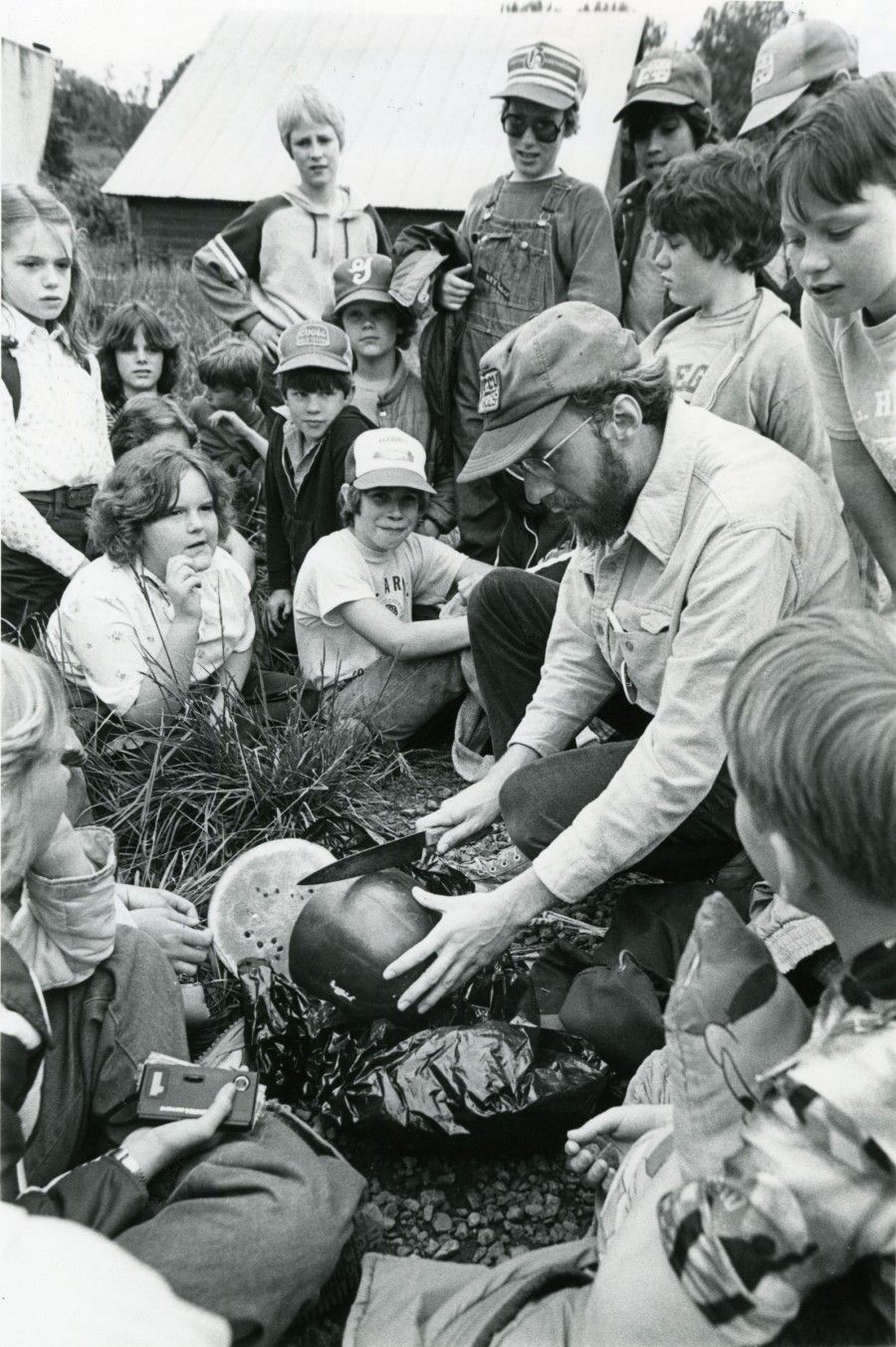
It wasn’t a straight line from the days when Tibbott set up shop in an old elementary school in Forest Grove, Oregon, creating what he calls the country’s first five-grain tempeh to his multi-million-dollar Tofurky. He slept on the floor of his business. Drove a beat-up Datsun literally held together (the front door, at least) by bungee cord. And rented out rooms to two clowns named Ace and Space.

It was a period when Tibbott experienced long bouts of “existential nausea.”

“That’s my code word for being stuck in a place where you’re trying to figure your way out. You’ve lost your bearings. Lost your vision and are just existing,” Tibbott said about his life at the time he turned 40.

Oh, he also lived in a treehouse.

Living in a treehouse led Tibbott to write a few articles about, well, living in a treehouse, which led to him conducting research to write a book about treehouses, which led to him bunking with a bank robber.

“I traveled all around to research this book. There was this one guy in Olympia [Washington] who always had this new stuff in his treehouse. I always wondered where he got his money. Where he got all this stuff. Turned out he was a bank robber. Robbed 40 banks in Seattle. He would rob banks, then go up into this tree until things calmed down, and rob again.”

What happened to this bank robber? Tibbott said he died in a shootout. What happened to the book about treehouses?

“No publisher wanted it. I’m pretty good at failing,” he said. Tibbot wasn’t a failure. He had the right idea—increase the awareness of plant-based foods to wean people off of animal proteins in a sustainable way—but at the wrong time. This was the 1980s when few Americans thought about plant-based protein, but with no way out from his business, he had to move forward.

Tibbott started experimenting with tofu, which led to a Tofurky Holiday Roast—a tofu loaf with rice and bread crumb stuffing that a vegetarian would eat on Thanksgiving, rather than just sticking with side dishes. Tofurky hit in 1995.

“We sold 800 roasts for Thanksgiving that year and that pivot in business changed my life.”

Klickitat County, in Washington State, has only one stoplight. For the most part, there isn’t much to do in this sleepy county, located in the Columbia River Gorge.
This nothingness, says Seth Tibbott, turned out to be the key
to his “stick-to-itiveness” – or stubbornness, as his wife says –
which over the course of 40 years saw him cobble together a
$50-million business out of his company Tofurky (originally,
Turtle Island Foods), which produces plant-based alternatives
to meat that are derived from tofu and wheat protein.
Wittenberg University
Wittenberg Magazine | Spring 2021 | Features

From Tofu to Graffiti