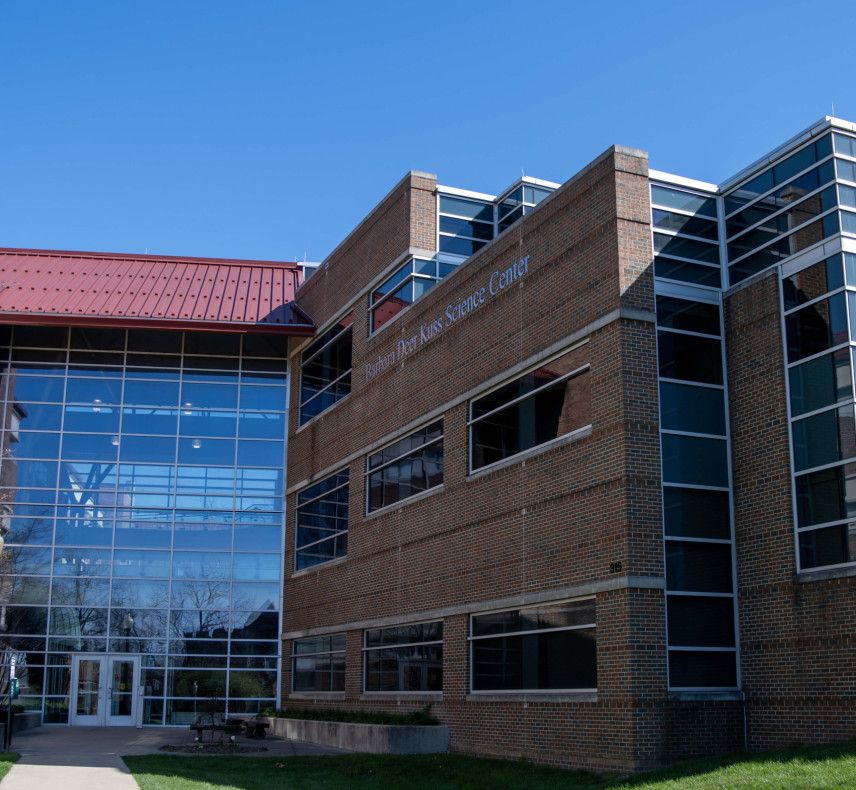
The Ohio Department of Development (ODD) has announced that Wittenberg University will receive $1,103,315 to install new lighting, building controls, and chillers in its Tower Hall residence hall and in the Barbara Deer Kuss Science Center. The project is expected to yield an annual utility savings of 19.5 percent.
This is the fourth grant that Wittenberg has received in recent months. Grants totaling more than $500,000 also were awarded by the Ohio Department of Higher Education and the Ohio Emergency Management Agency to enhance safety on Wittenberg’s beautiful, 100+ acre wooded campus.
"The Ohio Department of Development's selection of Wittenberg's campus for this deep investment in our infrastructure signals the importance of Wittenberg in the state's higher education landscape,” said Mary Beth Walter, Wittenberg associate vice president for administration and chief human resources officer. “The investment also supports our ongoing forward momentum in preserving and advancing our mission.”
The ODD funding comes from the latest round of the Advanced Energy Fund, which provides grants to help businesses, nonprofits, municipalities, and educational institutions complete projects designed to reduce energy usage and associated costs.
"What makes the Advanced Energy Fund so unique is it allows us to help organizations across all sectors stretch their dollars further," said Lydia Mihalik, director of the ODD. "Whether it's a school, nonprofit, or a local business, these upgrades mean real savings that can be redirected toward supporting the people and communities they serve."
Through the first three rounds of the program — announced May 8 and June 11 of 2024, and May 5 of last year — the ODD awarded approximately $17 million to 19 organizations across 14 counties. All projects selected for funding must show a reduction of at least 15 percent in utility energy usage, ensuring a tangible and measurable impact on energy efficiency in their communities.
Wittenberg’s earlier grant funding is helping to upgrade security cameras in all the residence halls and allow for comprehensive coverage of campus, including high-traffic areas as well as common spaces, thereby ensuring an even safer and more secure environment for the University community.