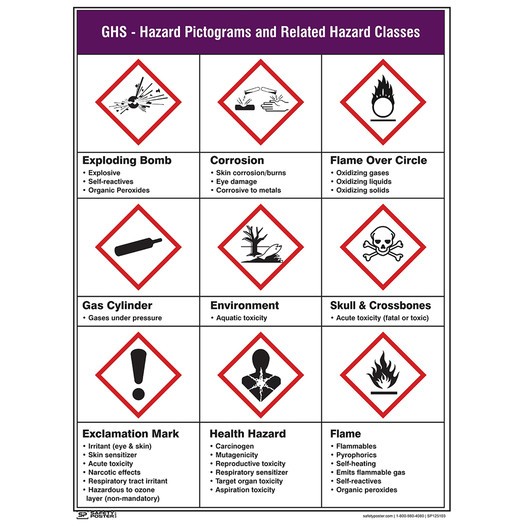
Hazardous chemicals are utilized on campus in various locations. Also, trains, tractor trailers and contractors that may be traveling on or near campus may have hazardous chemicals that may threaten the environment of the campus in the event of a spill. The following steps will be taken in the event of a chemical spill.
Hazardous material comes in the form of explosives, flammable and combustible substances, poisons, and radioactive materials. These substances are most often released as a result of transportation accidents or because of chemical accidents in plants.
During a Hazardous Material Incident:
NOTIFY University Police of any hazardous material incidents.
If you are asked to evacuate.
- Do so immediately
- Follow the routes recommended by public safety officials; shortcuts may not be safe. Leave at once.
- If you have time, minimize contamination in the area by closing all windows and doors.
- Take pre-assembled disaster supplies
- Remember to help others who may require special assistance-infants, elderly people and people with access and functional needs
If you are caught outside.
- Stay upstream, uphill, and upwind! In general, try to go at least one-half mile from the danger area. Move away from the accident scene and help keep others away.
- Do not walk into or touch any spilled liquids, airborne mists, or condensed solid chemical deposits. Try not to inhale gases, fumes, and smoke. If possible, cover your mouth with a cloth while leaving the area.
- Stay away from accident victims until the hazardous material has been identified
If you in a motor vehicle
- Stop and seek shelter in a permanent building. If you must remain in your car, keep the car windows and vents closed and shut off the air conditioner and heater.
If you are requested to stay indoors
- Close and lock all exterior doors and windows. Close vents, fireplace dampers, and as many interior doors as possible
- Turn off air conditioners and ventilation systems. In large buildings, ventilation systems to 100 percent recirculated so that no outside air is drawn into the building. If this is not possible, ventilation systems should be turned off.
- Go into the pre-selected shelter room. This room should be above ground and have the fewest openings to the outside
- Seal gaps under doorways and windows with wet towels or plastic sheeting and duct tape
- Seal gaps around window and air conditioning units, bathroom and exhaust fans and vents
- Use material to fill cracks and holes in the room, such as those around the pipes.
- If gas or vapor could have entered the building, take shallow breaths through a cloth or a towel. Avoid eating or drinking any food or water that may be contaminated.